
What Are Cell Phone Lockers? And Does Your School Really Need Them?
Cell Phone Lockers for Schools: How Storage Solutions Support New Phone Policies
Cell phones have become a major source of distraction, disruption, and disengagement in K–12 schools across the United States. As more states move toward full-day phone bans or stricter restrictions during instructional time, schools are increasingly turning to cell phone lockers and secure storage solutions to support compliance and improve student focus.
In this post, we’ll cover:
- What cell phone locker systems are
- Why schools need them
- Where phone bans and restrictions are being implemented
Here is how we can help you find the right solution!
What Are Cell Phone Lockers (and How Do They Work)?
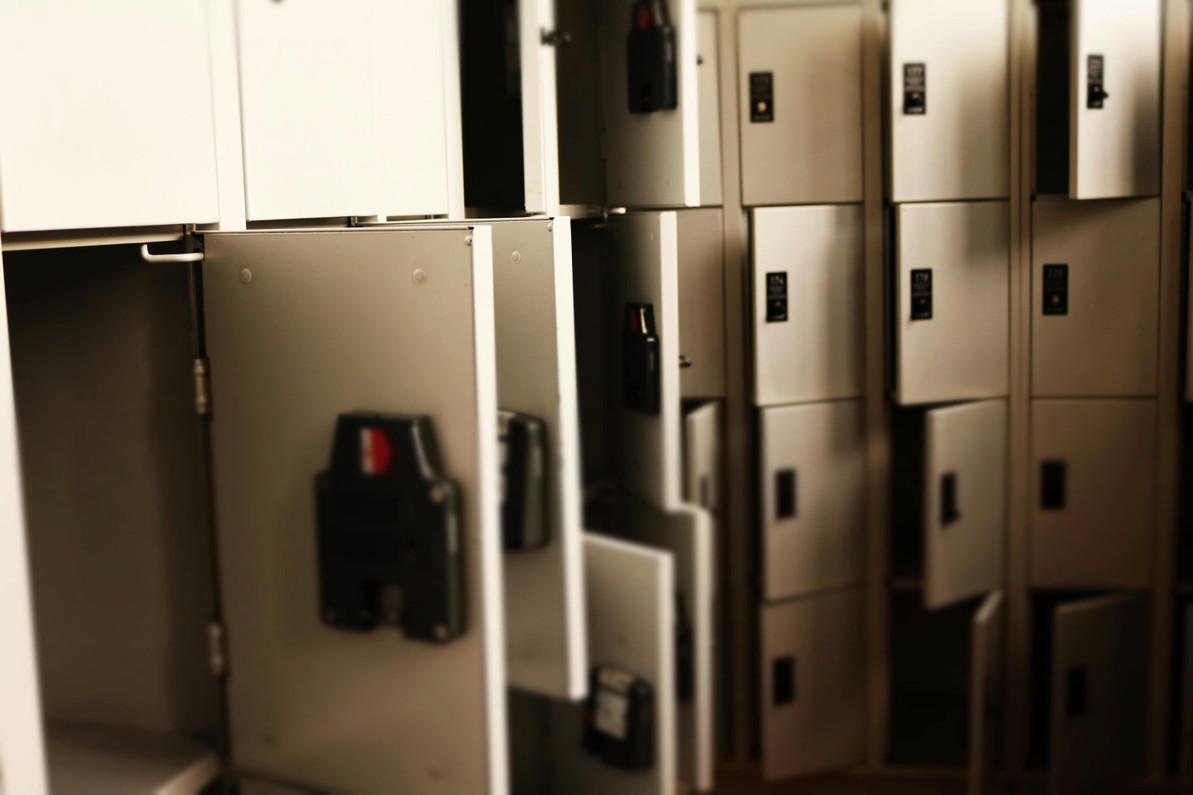
Cell phone lockers are secure storage stations—such as individual lockers, charging stations, or lock-in storage systems—where students deposit their phones at the start of the school day or before class.
Once stored, students cannot access their devices again until the end of the school day or a designated time set by the school.
These systems help schools:
- Reduce classroom distractions
- Limit social media and gaming during school hours
- Encourage more face-to-face engagement
- Support safer learning environments
Shop Cell Phone Lockers HERE: Shop Now
Why Schools Are Moving Toward Phone Storage Solutions
Across the United States, state policies are trending toward stricter limitations on student device use—from “no phones during class” policies to full-day, school-wide bans.
This creates a real challenge for schools: how do you enforce these policies effectively?
Traditional policies that rely on students keeping phones in backpacks or pockets are often difficult to enforce. With state-mandated requirements, growing concerns about screen time, and increased focus on academic engagement, many schools are turning to secure phone storage systems.
Cell phone lockers offer a structured and reliable way to manage device use during the school day while reducing the burden on teachers and administrators.
States Where Phone Restrictions Are Becoming Law
More than 25 states now have laws or executive orders restricting the use of personal devices in K–12 schools during instructional time or throughout the entire school day.
States With Major Phone Restrictions
Recent policy tracking shows statewide bans or restrictions in places such as:
- Alabama
- Arkansas
- Florida
- Georgia
- Indiana
- Kentucky
- Louisiana
- Missouri
- New York
- Ohio
- Oklahoma
- South Carolina
- Texas
- Utah
- Virginia
- West Virginia
- Wisconsin
- Additional states continue to introduce legislation each year as concerns about classroom distractions grow.
Real-World Policy Examples
New York
In 2026, New York enacted a bell-to-bell phone-free schools law, banning unsanctioned use of smartphones and internet-enabled devices throughout the school day. The legislation includes funding to help schools adopt secure phone storage solutions such as lockers or pouches.
California
AB 3216 requires public school districts to adopt written policies restricting student smartphone use during school hours, with implementation deadlines beginning in the 2025–2026 school year.
Texas
HB 1481 requires school districts to implement enforceable phone policies, although districts may determine their own storage or enforcement methods.
What This Means for Schools
Even in states without full bans, legislators and education leaders are pushing for stricter control over phone use in schools.
Administrators are increasingly looking for solutions that:
- Align with legal requirements
- Support consistent policy enforcement
- Reduce administrative burden on teachers
- Improve student focus and academic outcomes
Many schools are pairing policy changes with cell phone locker systems or secure storage solutions, including rack systems, locking cubbies, and charging lockers.
Benefits of Cell Phone Lockers for Schools
Many administrators now view phone storage solutions as an essential part of classroom management.
Better Focus and Less Disruption
Phones are one of the most common classroom distractions. Lockers eliminate the temptation without requiring constant teacher enforcement.
Supports Compliance With State Policies
As more states implement device restrictions, schools need reliable ways to ensure policies are followed.
Encourages Positive Social Interaction
When phones are out of reach, students are more likely to participate in discussions and interact with peers.
Promotes a Safer School Environment
Reducing unsupervised phone use during school hours can help decrease cyberbullying and other digital disruptions.
Choosing the Right Cell Phone Locker System
When selecting a phone storage solution, schools should consider several factors:
Capacity
How many students will need storage?
Security
Does the locker system provide secure access without creating extra work for staff?
Charging Capability
Do devices need charging while stored?
Placement and Integration
Can the lockers fit easily in hallways, classrooms, or entry points?
Budget
Are there funding options available through grants, school budgets, or state programs?
Final Thoughts
The landscape of school phone policies is evolving quickly, and many schools are searching for practical ways to comply with new regulations while maintaining productive learning environments.
Cell phone lockers offer a scalable, secure solution that helps schools manage device use, reduce distractions, and support student engagement.
If your school is planning to implement a phone storage solution this year, now is the time to explore the options available. Shop Now!
CPS Insights
-

Beyond the Classroom: TinkRWorks on Building Better STEAM Programs
Designing Dynamic Afterschool STEAM Programs for Students Afterschool programs offer schools an oppo … -

School Furniture 101: How to Choose the Right Classroom Essentials
School Furniture Buying Guide: How to Choose the Right Desks, Chairs & Tables Choosing the right sch … -

The Ultimate Back-to-School Procurement Checklist for Catholic Schools
As summer break begins, Catholic school administrators are already preparing for the next academic y …